Pregnancy
Pregnancy Treatment Throughout Bolton & The Surrounding Areas
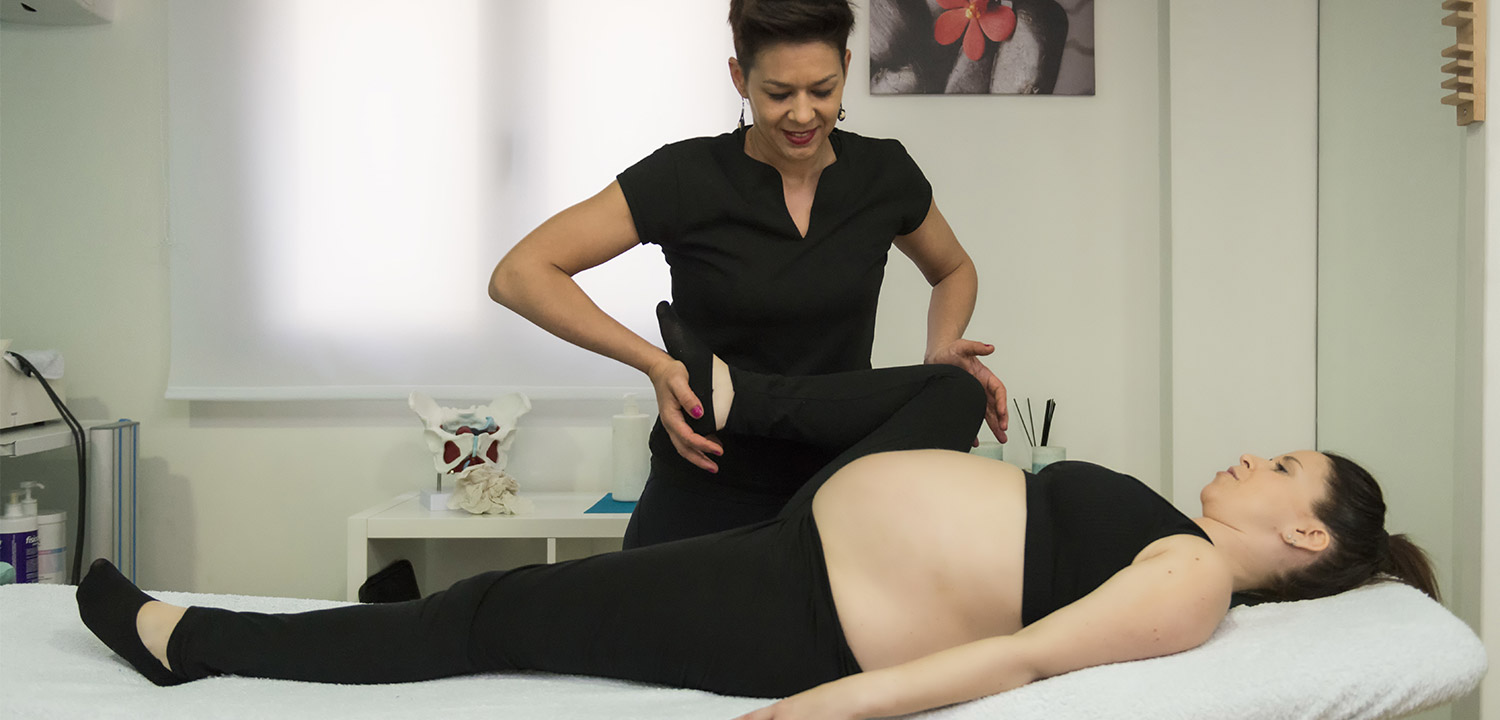
We are able to treat women in pregnancy and afterwards, including using acupuncture.
Common complaints:
- Low back pain
- Sacro-Iliac joint pain
- Pelvic Girdle Pain-Symphysis Pubis Dysfunction or Pubis Symphysis Dysfunction, Diastasis Symphysis Pubis
- Diastasis Recti
We are proud to work in association with The Birth Sanctuary
Pelvic Girdle Pain
1. Symphysis Pubis Dysfunction (SPD) or Pubic Symphysis Dysfunction (PSD). This is a group of symptoms involving the pelvic region and occurs in pregnancy, child birth and afterwards. Occurs when the pelvic joints move more or less than normal. Pain or discomfort can occur at the front and back of the pelvis.
The pelvic ligaments normally keep the pelvic bones aligned during pregnancy. These can become too relaxed and stretchy too soon before birth. This is due to a hormone called relaxin. As a result, the pelvic joints become unstable and causes strange sensations including pain.
Symptoms:
- Back pain
- Grinding/clicking sensation in the pubic area
- Pain over the inner thighs, in between the legs and groin
- Increased pain when widening legs, walking and stairs
- Burning/shooting/stabbing pains
Signs
- Tenderness at the symphysis pubis and sacro-iliac joints
- Reduced hip movements
- A waddling walking pattern
2. Diastasis Symphysis Pubis. This is the separation of the pubic bones at the front of your pelvis and can happen during labour, but is uncommon.
Diastasis Recti This is separation of the abdominal muscles in pregnancy or afterwards. There can be partial or complete separation of rectus abdominis—six pack muscles- which meet in the midline of your stomach. The muscles stretch to accommodate the growing baby.
Treatment:
- Physiotherapy
- Advice – sleep on your side with pillows in-between legs, try to make daily activities less painful, posture, rest
- Ice/heat
- Pelvic support – KT taping techniques/pelvic belts
- Crutches
- Exercises – pelvic floor, abdominals, core stability
- Acupuncture
Risk Factors:
- Pelvic girdle pain before pregnancy
- Previous pelvic injury
- SPD in previous pregnancy
- General increase in mobility in other joints
- Overweight before becoming pregnant